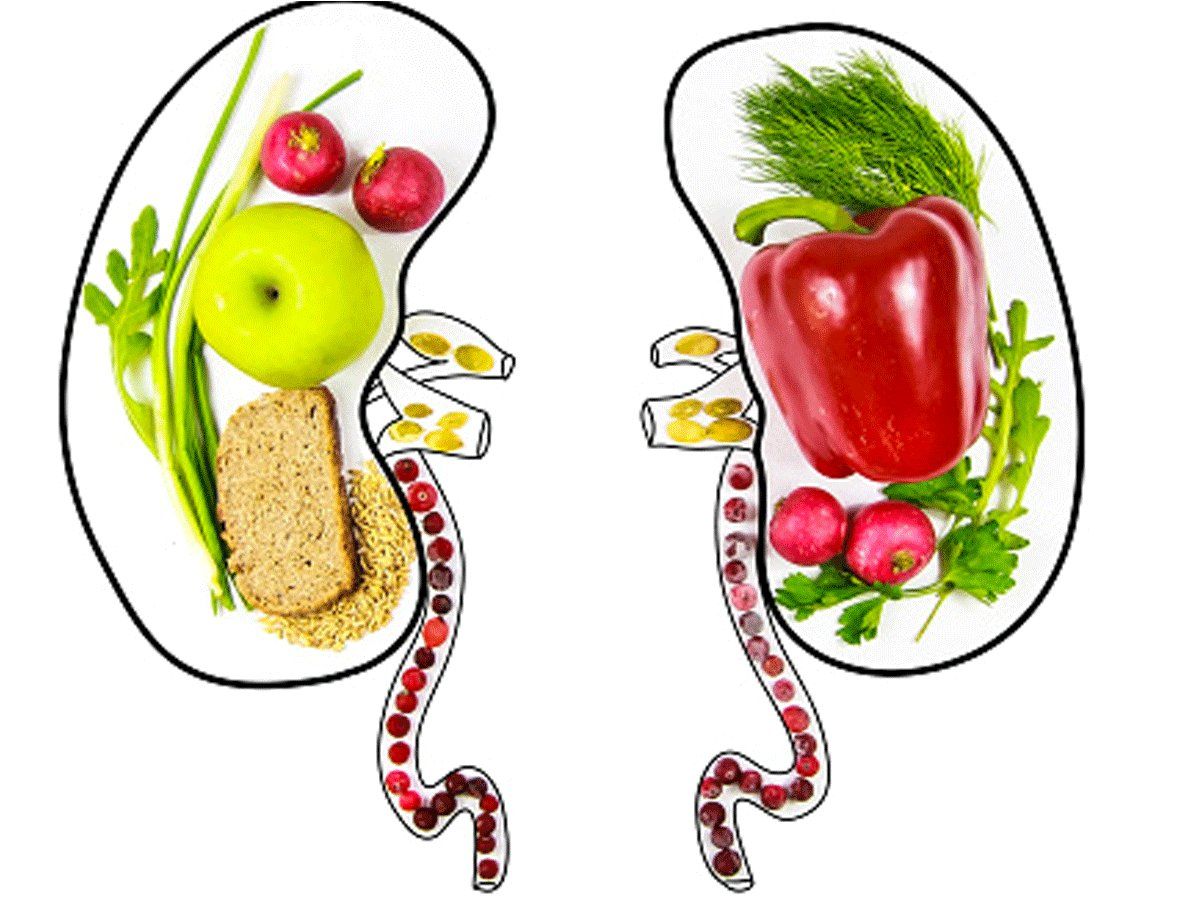
Your kidneys are fist-sized organs located at the bottom of your rib cage, on both sides of your spine. They perform several functions most importantly, they filter waste products, excess water, and other impurities from the blood. These waste products are stored in your bladder later expelled through urine.
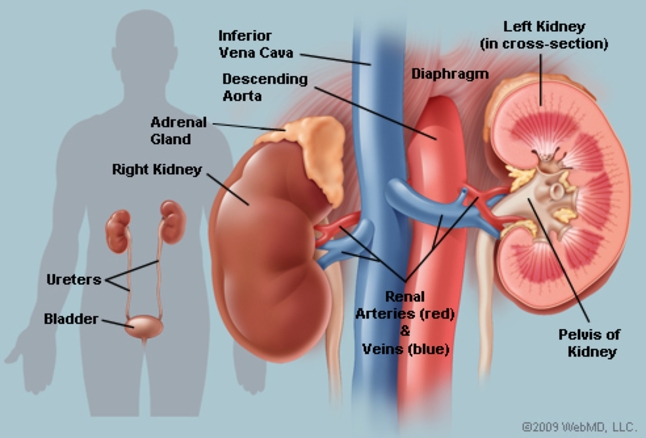
In addition, your kidneys regulate pH, salt, and potassium levels in your body. They produce hormones that regulate blood pressure and control the production of red blood cells.
Between 1990 and 2010, some of our leading causes of death and disability remained the same. Heart disease was the leading cause of loss of life and health then and remains the leading cause today. Some things got better, like HIV/AIDS, but others got worse, like chronic kidney disease. We saw a doubling in the tens of thousands of deaths and the hundreds of thousands of patients whose kidneys failed completely, requiring kidney transplants or lifelong dialysis.
About one in eight of us now has chronic kidney disease – and most don’t even know it: About three-quarter of the millions of people affected are unaware that their kidney are starting to fail. What a tragedy it is. This is very disturbing since early identification provides a chance to slow the progression and change the course of the disease. So what can we do about it?
Here are some tips to help keep your kidneys healthy.
- Drink plenty of water or other fluids. There’s no magic behind the cliché advice to drink eight glasses of water a day, but it’s a good goal precisely because it encourages you to stay hydrated. Regular consistent water intake is healthy for your kidneys. Water dilutes the urine and keeps calcium, oxalates and uric acid from turning into solid crystals, helping to remove excess sodium and other toxins from your kidneys. Aim for at least 1.5 – 2.5 litres of water. Studies have shown that drinking that much of water reduces your risk of kidney stones by 1/3 less than that of a person drinking only half that much.
- Have plenty of vegetables, fruits, and beans. They are rich in potassium and low in sodium. A study of 46,000 men done by Harvard University researchers found that a high potassium intake can cut the risk of kidney stones in half. Some studies have shown that eating a whole food plant based diet decreases the amount of protein lost in urine, the renal acid load, and renal hyperfiltration (an elevation of the rate of glomerular filtration of the kidneys). This is thought to possibly help prevent kidney disease. The National Kidney Foundation recommends whole plant food as being beneficial to kidney patients. Studies show that if you have early kidney disease, you may benefit from a plant-based diet. It can keep you at a healthy weight, lower your blood pressure and cholesterol, lower your risk for diabetes, give you higher antioxidant levels, and keep your kidney disease from getting worse.
- Exercise regularly. Like eating a well-balanced diet, regular physical activity can stave off weight gain and high blood pressure which are both risk factors for chronic kidney disease. You don’t have to run a marathon or carry a log of timber to reap the reward of exercise. Walking, running, cycling, and even dancing are great for your health. Find an activity that keeps you busy and have fun.
- Avoid animal products or limit them to the minimum. Animal protein is the worst enemy of people with a tendency toward kidney disease for that matter. It has long been known that animal protein tends to overwork the kidneys and causes their filtering ability to gradually decline. The consumption of animal fat can actually alter the structure of the kidney, and animal protein can deliver an acid load to the kidneys, increase ammonia production and damage the sensitive kidney cells. Animal protein such as meat, fish, egg and dairy also have another effect on the kidney, they cause calcium to be pulled from the bones and excreted in the urine, where it can form stones.
- Keep salt and sugar use to the modest. The amount of sodium in the urine and hypercalciuria (a condition of high level of calcium in the urine) are correlated directly because sodium and calcium are reabsorbed at common site in the renal tubule. Sodium (salt) increases the passage of calcium through the kidneys and increases the risk of kidney stones. Salt and sugar accelerates calcium losses through kidney. Salt should be limited to less than half a teaspoon per day.
I know of nothing else in medicine that can come close to what a plant-based diet can do. In theory, if everyone were to adopt this, I really believe we can cut health care costs by seventy to eighty percent. That’s amazing. And it all comes from understanding nutrition, applying nutrition, and just watching the results. – T. Colin Campbell
 Health & Nutrition
Wow! You did a good job, friend. Thumbs up. #Educating#
LikeLike
Thanks dear
LikeLike
You did a good job like always
LikeLike
Thanks dear
LikeLike