Be yourself; Everyone else is already taken.
— Oscar Wilde.
This is the first post on my new blog. I’m just getting this new blog going, so stay tuned for more. Subscribe below to get notified when I post new updates.
Be yourself; Everyone else is already taken.
— Oscar Wilde.
This is the first post on my new blog. I’m just getting this new blog going, so stay tuned for more. Subscribe below to get notified when I post new updates.
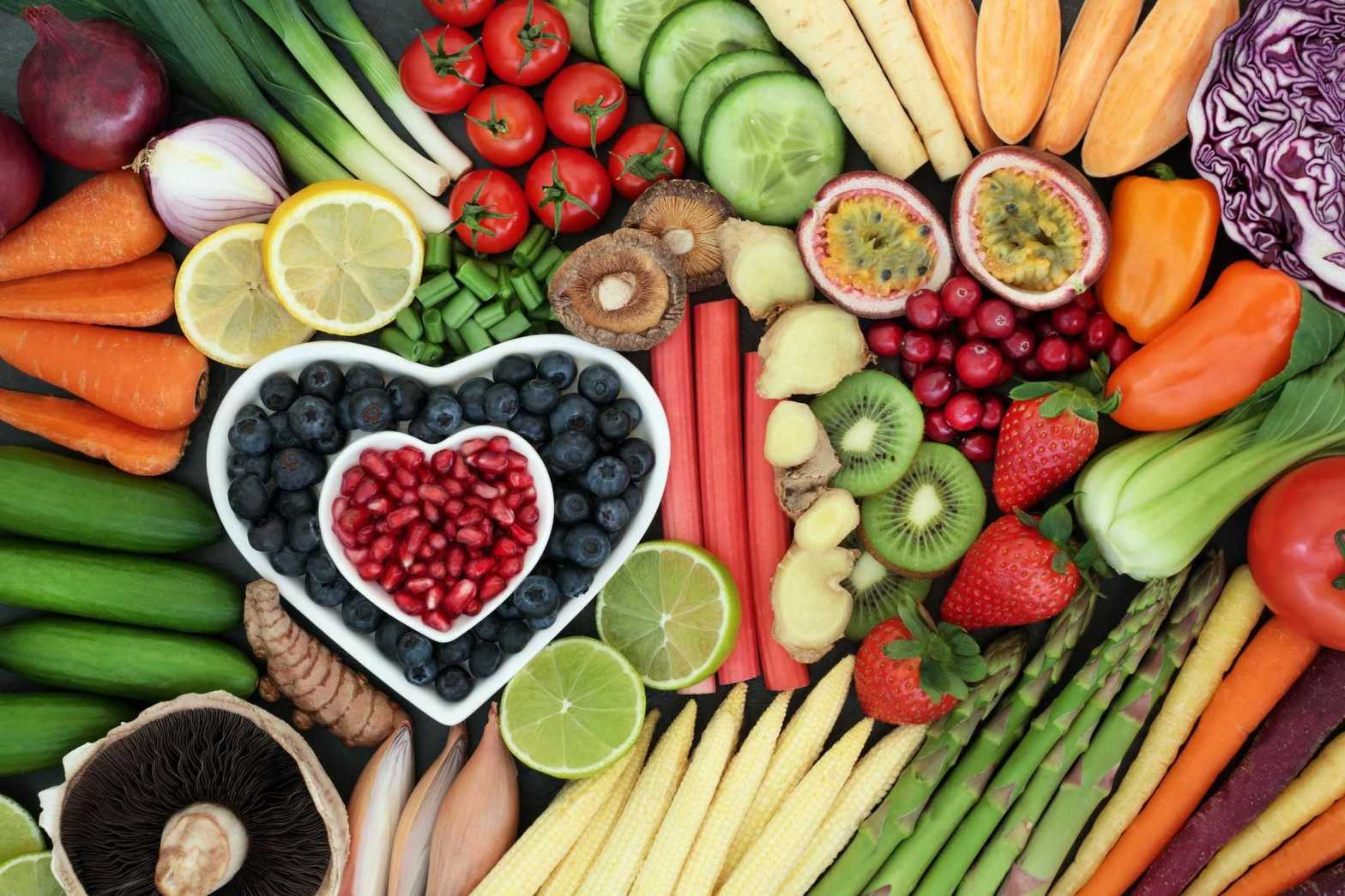
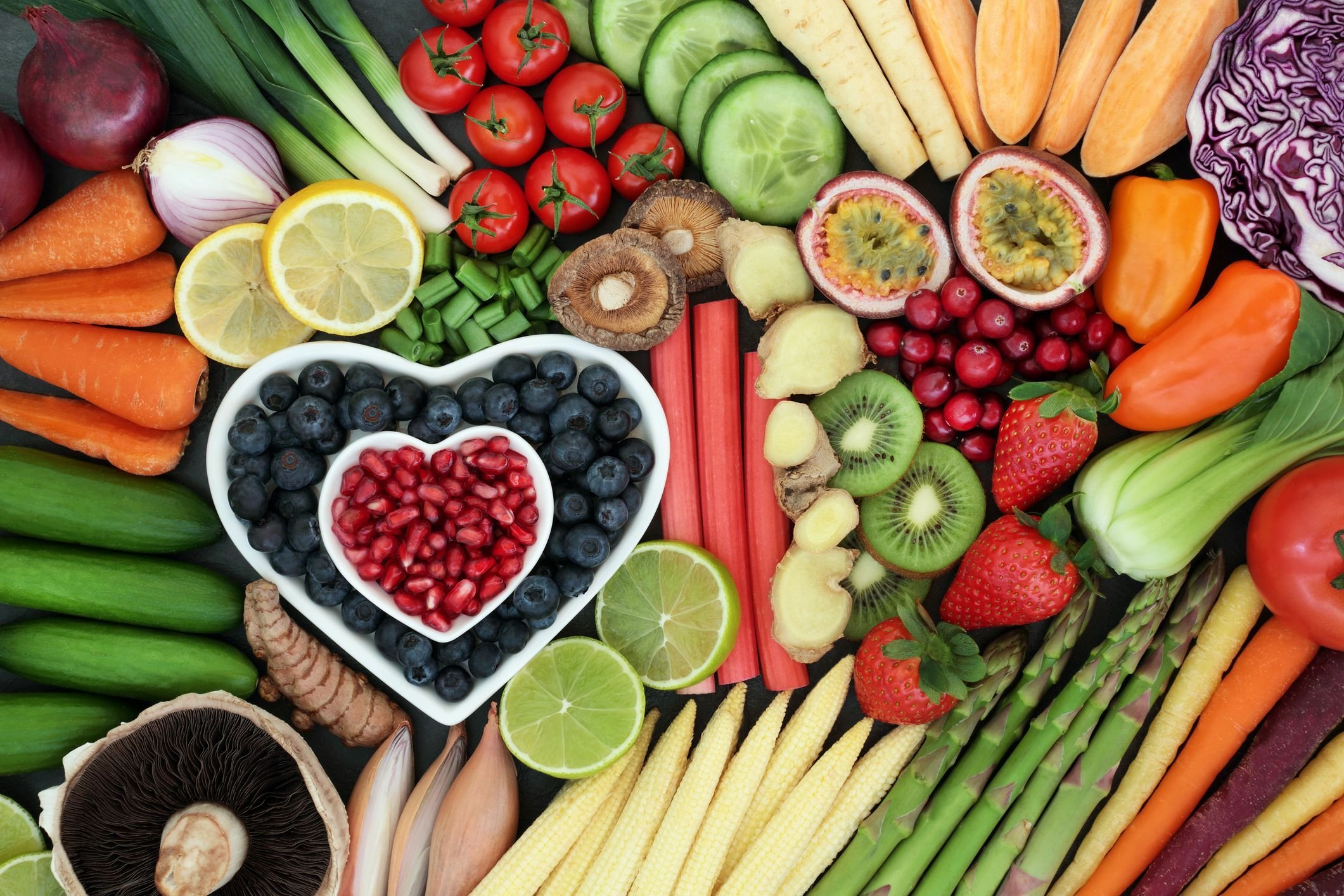
What you put in your mouth has a profound effect on your health. What you eat today determines your health tomorrow. Below are three amazing ingredients you should include in your diet to prevent diseases.
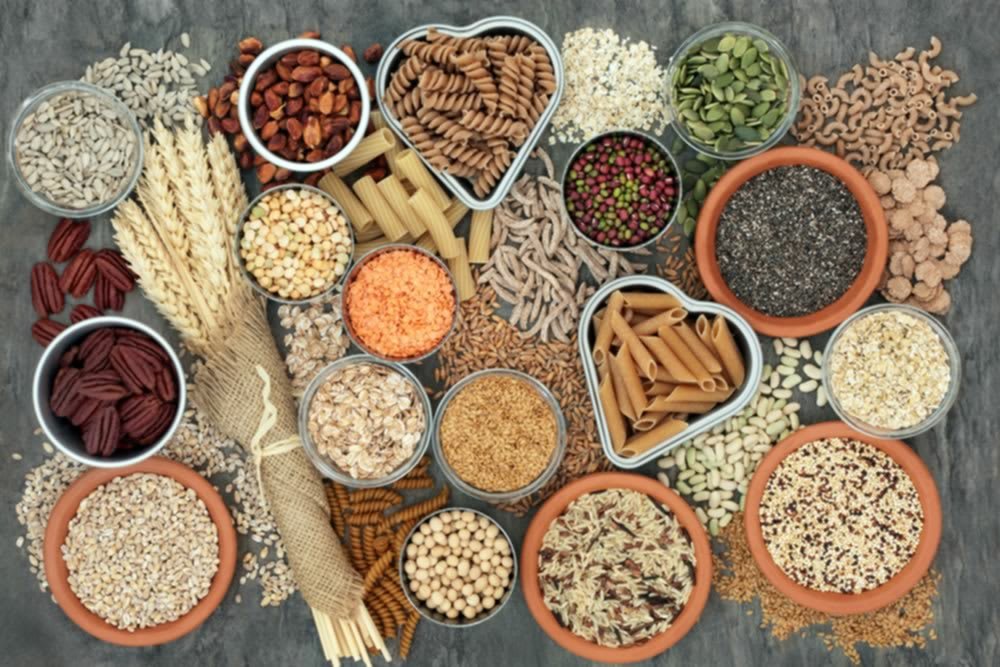
Carbohydrate is a nutrient found almost exclusively in plants. It is a collection of simple to very complex chemical molecules. Not all carbs are created equal. Different types of carbs can vary in their health effects. Carbs are sometimes referred to as whole (complex) or refined (processed). Whole carbs are unprocessed and contain the fiber found naturally in the food, while refined carbs have been processed and had the natural fiber and other nutrients removed or changed.
What’s matters most is the type of carbohydrate you eat, some sources are healthier than others. Eating your sugars from fruits is very healthy because these sugars come with good amount of fiber, phytochemical, minerals, antioxidants and many other nutrients that are beneficial to your body.
However, consuming refined carbohydrates or consuming sugar sweetened beverages aren’t healthful since these foods provide your body with little or no nutrients, fiber, phytochemical and antioxidants. They lack these protective ingredients in foods making us prone to chronic diseases.
Most people think carbohydrates are not healthy, however this thinking is erroneous, and this does not tell the whole truth. People who claim that carbs are unhealthy, mainly get their source of carbs from refined foods. They consume French fries and white bread instead of a bowl of whole grains. They conclude that, because refined carbs are unhealthy then carbohydrates in general are unhealthy. They also think if carbs are bad, then anything else is good for you, such as lots of red meat, sausage, milk, bacon, butter and cheese. And that’s just not true.
Many scientific studies have shown that carbohydrates are one of the healthiest ingredients in food. Ecological studies have shown that people who have the longest lifespan on earth are all carbohydrate eaters. The Okinawan people consumes about 80% of their food from carbohydrate. What is noteworthy is that all these foods are whole and unprocessed.
Additionally, a National Health and Nutrition Examination Survey in 1999 – 2010 found that those who ate the least amount of carbs tended to die prematurely from any cause, including stroke, cancer, and coronary heart disease.
Good sources of carbs are whole fruits, vegetables, whole grains and cereals, legumes, Nut, seeds and tubers.
The second ingredient you must include in your diet is Protein. Protein is an essential macronutrient, it makes up the enzymes that power many chemical reactions and the hemoglobin that carries oxygen in your blood.
Not all source of protein are created equal, and you may not need as much as you think. The recommended daily allowance for protein is 0.8 grams of protein for every kilogram of body weight per day.
Analysis conducted at Harvard among 130,000 men and women followed for 32 years, found out that the percentage of calories from total protein intake was not related to overall mortality or to specific causes of death albeit, the source of protein was important.
Available evidence indicates that it’s the source of protein rather than the amount of protein that likely makes a difference for our health. No one eats nutrients, we eat food, when we eat foods that contain protein, we also eat everything that comes alongside it: the fat, fiber, sodium, and more. It’s this protein “package” that’s likely to make a difference for health.
Research conducted by the Harvard University found that eating even small amounts of red meat especially processed red meat on regular basis is linked to an increased risk of heart disease, stroke, diabetes and the risk of dying from cardiovascular disease.
Conversely, replacing animal protein with healthy plant protein sources such as beans, soy foods, nut and legumes reduce these risks. With the exception of food allergies, no one has been sick from eaten beans, soy foods or plant protein. Healthy sources of protein are legumes such beans of all kinds, nuts, soy foods, lentils, chickpeas and fish.
Fat is third macronutrient that is needed by the human body for optimal performance. It’s a major source of energy that helps you absorb some vitamins and minerals.
Once again the source and type of fat is more important than the amount of fat you eat.
Many studies have shown that getting your fat from whole plant food is very healthy. Whole foods such as avocado, flax seed, olive, chia seed, peanut, walnut and other are very rich in “good” fats (unsaturated and monounsaturated fatty acid) while source like diary, beef and meat are high in “bad” fat (saturated and trans fatty acid).
Vegetable oils are concentrated sources of fat and if your aim is to lose weight minimizing intake of vegetable oil is a wise thing one should do. This is because vegetable oil add plenty of calories with little nutrient. It is very easy to eat more calories when you include oils in your diet, making you exceed your daily caloric intake. Hence sabotaging your effort to lose weight.
The single most impactful thing you can do today is adopt a more plant based diet. – Louie Psihoyos
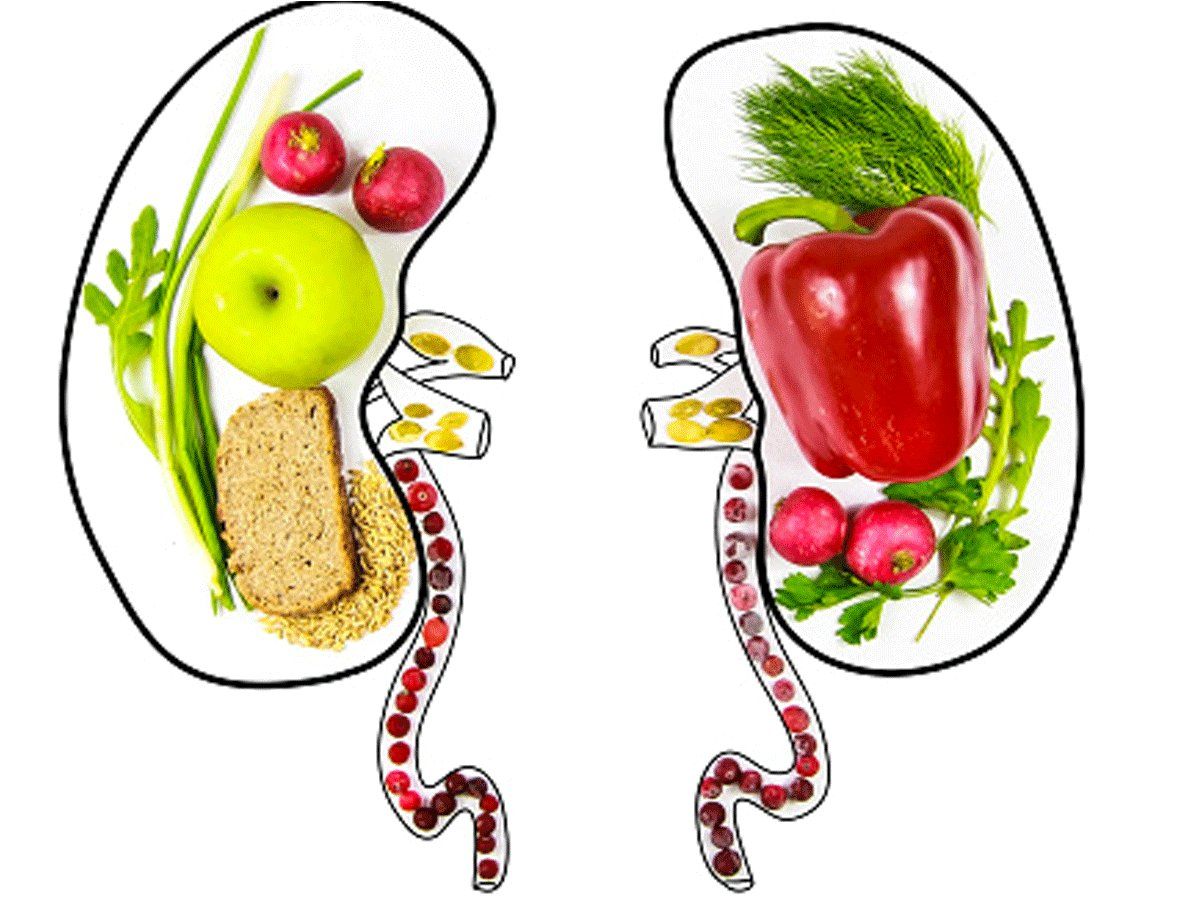
Your kidneys are fist-sized organs located at the bottom of your rib cage, on both sides of your spine. They perform several functions most importantly, they filter waste products, excess water, and other impurities from the blood. These waste products are stored in your bladder later expelled through urine.
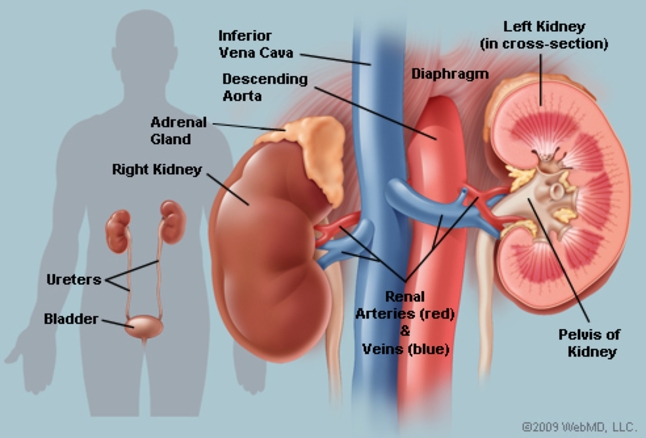
In addition, your kidneys regulate pH, salt, and potassium levels in your body. They produce hormones that regulate blood pressure and control the production of red blood cells.
Between 1990 and 2010, some of our leading causes of death and disability remained the same. Heart disease was the leading cause of loss of life and health then and remains the leading cause today. Some things got better, like HIV/AIDS, but others got worse, like chronic kidney disease. We saw a doubling in the tens of thousands of deaths and the hundreds of thousands of patients whose kidneys failed completely, requiring kidney transplants or lifelong dialysis.
About one in eight of us now has chronic kidney disease – and most don’t even know it: About three-quarter of the millions of people affected are unaware that their kidney are starting to fail. What a tragedy it is. This is very disturbing since early identification provides a chance to slow the progression and change the course of the disease. So what can we do about it?
I know of nothing else in medicine that can come close to what a plant-based diet can do. In theory, if everyone were to adopt this, I really believe we can cut health care costs by seventy to eighty percent. That’s amazing. And it all comes from understanding nutrition, applying nutrition, and just watching the results. – T. Colin Campbell
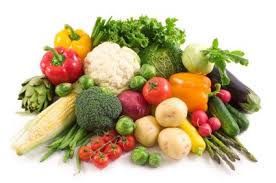
Unless any of us have been living under a rock or under the sea, we all know the formidable price we are paying for the COVID-19 pandemic. It is well-known that people over 60 years of age with pre-existing disease conditions are most vulnerable to COVID- 19. And it is also known that most of these diseases are the result of poor nutrition. Mortality data emerging from Italy and New York City shows 99% and 95% of the people (mostly older) who have died from COVID- 19 in Italy and New York City, respectively, suffered from pre-existing medical condition, most arising from a lifetime of bad nutrition and lifestyle. This pandemic has reveal how important nutrition and lifestyle is. The importance and benefits of living a healthy life and eating a healthy food cannot be overemphasized.
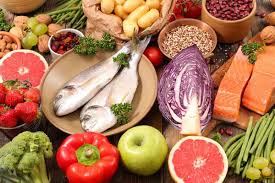
According to WHO, a healthy diet helps to protect against malnutrition in all its forms, as well as noncommunicable diseases (NCDs) such as diabetes, heart disease, stroke and cancer.
Optimal diet is one that minimizes risk of disease, treats existing disease and meets all nutritional requirements.
There are a lot of confusion surrounding what is considered an optimal diet however modern medical science is quite clear about the dietary patterns that can, in the vast majority of cases, help prevent or even reverse many of the chronic ailments of our times.
National Geographic Fellow and explorer, Dan Buettner, in his study of what he term the “Blue Zones” identifies the five regions where people enjoy not only the longest life span but also the most abundant health spans. His studies focus on Sardinia in Italy, Loma Linda in California, Nicoya Peninsula in Costa Rica, Ikaria in Greece and the islands of Okinawa in Japan.
Dan describes asking a 102 –year –old Okinawan woman what it feels like to hold her great-great-great-granddaughter. She tells him that “it feels like leaping into heaven.”
Most of us fear growing old but in the Blue Zones, many people look forward to it.
In his studies, Dan found out that all the Blue zones consume a plant-rich and predominantly (though not often exclusively) vegetarian diet. Is this coincidental or there is something specific about eating a plant based diet (fruits, vegetables, legumes, seeds and nuts). Dan’s findings from all the Blue Zones, is summarized in Michael Pollan’s famous seven words: “Eat food. Not too much. Mostly plant.”
“Eat food” means eat real food, not the ultra-processed food-like substances that make up most of the calories in the modern diet in the industrialized world.
What about eating “mostly plants”? Scientists and nutritionist know that plants based foods and particular fresh vegetables and fruits, are the most concentrated sources of many of the nutrients that the human body needs in order to thrive. They contain the holy dietary trinity (fiber, phytochemical and anti-oxidants), enzymes, prebiotics and probiotics, essential fat, proteins, vitamins and minerals .
Eating a whole food plant based diet is recommended by many health organization such as the WHO, the Academy of Nutrition and Dietetics and Dietitian of Canada, the American Institute for Cancer Research and the Fund for World Cancer Research and other great health organizations.
It’s not low carbohydrate or low fat. An optimal diet is low in unhealthful carbohydrate (both sugar and other refined carbohydrates) and low in fat (especially saturated fats and trans fats) as well as in red meat and processed foods.
I have way too much respect for biochemical individuality and for the diversity of life experiences and contexts, to try to tell anyone exactly what they should or shouldn’t eat. But there are some overarching principles that are beneficial for just about everyone. What you eat is important as what you exclude
In conclusion, it’s not what you do on occasion that matters most. In the long run, it’s the choices you make day in and day out, and the habits you forge and sustain, that chart the course of your destiny. Always remember: you’re unique (just like everyone else!)
Nothing will benefit human health and increase the chances for survival of life on Earth as the evolution to vegetarian diet.- Albert Einstein
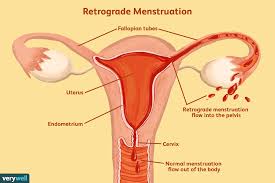
The monthly menstrual cycle is often accompanied by a lot of symptoms like fatigue, bloating, mood swings and cramps. The symptoms are even worse for some, making the entire period a big struggle. You can use diet to ease some of the painful period symptoms. Believe it or not, the foods you eat can help reduce period cramps, help you feel less swollen and bloated and help with mood swings. Most women experience some menstrual pain, for up to 15%, it is severe enough to interfere with works and other activities for one or more days every month.
In the 1960s, it became evident that chemicals called prostaglandins are a central part of the problem. Prostaglandins are made from the traces of fat stored in cell membranes, and they promote inflammation. They also involved in muscle contractions, blood clotting, and pain.
Before menstruation begins, the endometrial (mucous membrane that lines the uterus) cells make large amounts of prostaglandins. When these cells break down during menstruation, the prostaglandins are released. They constrict the blood vessels in the uterus and make its muscle layer contract, causing painful cramps. Some of the prostaglandins also enter the bloodstream, causing headache, nausea, vomiting, and diarrhea.
Researchers also found that the amount of prostaglandins produced by endometrial cells in women with menstrual pain is higher than other women. This explains why Nonsteroidal anti-inflammatory drugs (NSAIDs) work for menstrual pain, they reduce the production of prostaglandins. NSAIDs also decrease menstrual flow which may reduce menstrual pain
There may be a more basic approach. Instead of focusing on the prostaglandins themselves, it may help to focus on the cellular “factories” that make them. A change in diet may be able to reduce menstrual pain.
In every monthly menstrual cycle, the amount of estrogen in a woman’s body rises and falls. Estrogen are female sex hormones, a sort of hormonal fertilizer that makes the cells in the body grow. Estrogens are responsible for breast development at puberty, and each month they cause the lining of the uterus to thicken in anticipation of pregnancy.
Amount of estrogens in a woman’s bloodstream gradually rises as her period ends and a new cycle begins, for about two weeks, it rises toward a peak and then falls quickly around the time of ovulation. It rises again in the second half of the month and then falls just before her next period. The uterus sheds its lining in a menstrual flow, accompanied by crampy pain.
The amount of estrogen in your blood is constantly being readjusted. Some foods increases hormonal levels while others reduces them. Studies have shown that fat drives estrogen level up. Any kind of fat increases estrogen level: chicken fat, fish fat, beef fat, olive oil, canola oil – you name it. It doesn’t matter if it is animal fat or vegetable oil; the more of it there is in your diet, the more estrogen your body makes.
Researchers have shown that if you cut the amount of fat in your diet, the amount of estrogen will be noticeably reduced within the first month. Cancer researchers have taken a great interest in this phenomenon, because lowering the level of estrogen in your blood helps reduce the risk of breast cancer. If a woman eating a western diet – a diet high in animal product and vegetable oil cut her fat intake in half, her estrogen level will be about 20% lower. If the amount of fat is cut even more, the estrogen level will drop further, which is a good change because a lower hormone level will have less effect on the uterine cells hence reducing the crampy pains and other menstrual symptoms. In addition to lowering estrogen, a low-fat plant based diet may also be beneficial because high-fiber vegetables: beans, fruit, and whole grains help the body eliminate estrogens.
Reducing vegetable oil, fatty or fried foods and animal product intake and increasing consumption of whole food plant based diet reduces the crampy pains and other symptoms that accompany menstruation. Eating this way is always good for weight loss heart and other organs of the body.
All doctors forbid the sick to take oil except the smallest quantity if one is going to eat because oil is good for the outward parts of man’s body (for anointing the skin), but at the same time as bad as can be for the inward. – Protagoras (c. 485 – 415 BCE)
Kataoka M Togashi K, Kido A et al. Dysmenorrhea: evaluation of cine-mode-display MR imaging-initial experience. Radiology. 2005; 235:124-131
Durain D. Primary dysmenorrhea: assessment and management update. J Midwifery Women Health. 2004;49:520-528
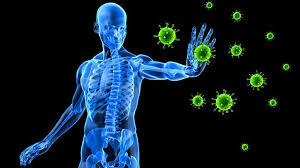
As coronavirus (COVID – 19) has impacted communities around the world, many people have wondered whether there are steps they can take to stay healthy. Everyday preventive measure such as handwashing, social distancing, avoiding contact with sick individuals and good hygiene – can go a long way in reducing your risk of viruses, bacteria, and other pathogens. Human beings need every weapon we have to fight this deadly virus and food or diet can never be left out. I have said this and will say it again “Health is not found in pills, health is found in diet and lifestyle”.
There is evidence that nutrition and other lifestyle measures influence immune strength and susceptibility to infectious diseases. Whether these measure do or do not influence immune strength susceptibility to COVID -19 or its clinical course is not yet known. However, there is every reason to put what we do know about foods and immune defenses to use.
Eating a whole food plant based diet may help boost the immune system. The immune system depends on white blood cells (defenders) that produce antibodies to fight bacteria, viruses and other invaders. Studies have shown that people who eat more whole food plant based diet have more effective white blood cells when compared to people who eat less.
Eating a diet low in processed oil may also be protective. Oil has been found to impair white blood cell function and that high fat diet may alter the gut microbiota (microorganism found in the gastrointestinal tract) that aid in immunity. Studies have shown that limiting saturated fat help strengthen immune defenses.
Studies have shown that fruits and vegetables provide nutrients such as beta-carotene, vitamin C, zinc and vitamin E which boost the immune function. Many fruits, vegetables, seeds and other plant based diet are rich in antioxidants and phytochemicals which help reduce oxidative stress
Beta-carotene is a powerful antioxidant that can reduce inflammation and boost the immune system and its function by increasing disease-fighting cells (white blood cell). Excellent sources include sweet potatoes, carrots, water melon, pepper and green leafy vegetables.
Vitamin C and E are antioxidants that help to destroy free radicals and support the body’s natural immune response. Sources of vitamin C include red peppers, oranges, pineapple, strawberries, broccoli, mangoes, lemon, papaya and other fruits and vegetables. Vitamin E sources include nuts, seeds, spinach, avocado, peanut (groundnut), mango, Brazil nut, salmon and broccoli.
Vitamin D: research shows vitamin D may reduce the risk for viral infections, including respiratory tract infections, by reducing production of pro-inflammatory compounds in the body. Increased vitamin D in the blood has been linked to prevention of other chronic diseases including tuberculosis, hepatitis (inflammation of the liver) and cardiovascular disease. Sunlight exposure is the main source of vitamin D in the tropics, however it can be found in dietary sources like fortified cereals, milk and supplement.
Zinc is a mineral that can help boost white blood cells, which defend against invaders. Sources include nuts, pumpkin, seeds, sesame seeds, beans and lentils.
Our bodies need sleep to rest and recharge. Inadequate sleep has been linked to suppressed immune function. One study found that those who sleep fewer than five hours per night are more likely to have recently suffered a recent cold compared with those who sleep more. Another study found that diet rich in fiber and low in saturated fat can lead to deeper, more restorative sleep.
Diet and lifestyle have been shown to boost the immune system, eating a whole food plant based diet is the best thing one can do to improve his or her immune system. Eat well, sleep well and live healthy.
A seismic revolution in health will not come from a pill, procedure, or operation. It will occur only when the public is endowed with nutritional literacy” – T. Collin Campbell
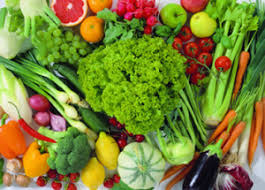
Phytochemical is a broad term meaning plant (phyto) chemical referring to a wide variety of compounds that occur naturally in plants.
Phytochemicals are non-nutritive plant chemicals that have protective or disease preventive properties. They are non-essential nutrients, meaning that they are not required by the human body for sustaining life but recent research demonstrate that they protect human against diseases. Phytochemicals are the second component of the “Holy dietary trinity”. They are found in plant foods only. No animal food contains phytochemical. They include lycopene in tomatoes, isoflavones in soy beans, flavonoids in fruits, carotenoids in carrot and polyphenols in grapes and many more.
Phytochemicals are found in fruits, vegetables, beans, grains, nuts, seeds and spices. Research has shown that they protect and prevent chronic diseases such as the great cancer, diabetes, Non-Alcoholic Fatty Liver Disease (NAFLD) and cardiovascular diseases. However there is no evidence that taking phytochemical supplements is as good for you as eating the whole fruit, vegetables, beans and grains that contain them. Most experts strongly believe that it’s the combination of these compounds and other foods you eat that keeps the body healthy. Loading up one or two phytochemical pills won’t be beneficial as eating a variety of plant foods.
There are literally thousands of different phytochemicals found scattered throughout the plant kingdom. Many plants contains over a hundred types of phytochemical. It is the phytochemical which gives plant its colour. The largest category of phytochemical is phenolic compounds which includes flavonoid in fruits, vegetables and soy beans, phenolic acids in whole grains, grapes and citrus and tannin found in lentils and legumes. Phenolic compounds have been found to have a powerful antioxidant, anticancer and anticardiovascular disease effects. A 2013 meta-analysis showed that breast cancer risk was significantly decreased in women with high intake of flavonols by 12 % and flavones by 17%.
Another large powerful group of phytochemicals is terpenes. They include carotenoids (lycopene, beta-carotene and lutein) found in carrot, tomatoes and leafy greens. Studies have shown that these phytochemicals have antioxidant, anticancer, reduce aging and macular degeneration of the eyes. There is increasing evidence from epidemiological studies that an increased intake of the macular pigment lutein and zeaxanthin is inversely associated with the risk for age related macular degeneration, a disease which affects the elderly and is a major cause of irreversible blindness in western countries. These findings have been consistent as the rising of the sun. Haven’t you heard the saying “eat your carrot to see in the dark”?
A third major category of phytochemicals is the sulfur-containing chemicals such as organosulfur compounds in garlic and the isothiocyanates, such as sulforaphane in cruciferous vegetables. These substances have been shown to have a powerful antioxidant, antioxidant and immune-enhancing ability. They protect our cells against oxidative damage and reduce the risk of developing certain types of cancer.
The doctor of the future will give no medication, but will interest his patients in the care of the human frame, diet and in the cause and prevent of disease. – Thomas A. Edison
Reference
http://www.phytochemical.info/
http://www.breastcancer.org/tips/nutrition/reduce_risk/foods/phytochemical
Dreher, M. L. (2018). Dietary patterns and whole plant foods in aging and disease. Springer International Publishing. p 299 – 320
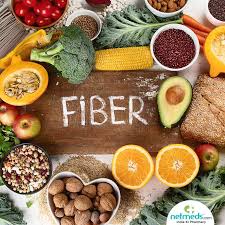
Fiber, phytochemicals and antioxidants are three of the most important nutrients that should be included in our diets daily. These nutrients fight diseases and are very vital for the prevention, management and even treatment of chronic diseases. I call them the “Holy dietary trinity” because, they are all found in plant foods and they fight diseases, promote health, slow down aging and fight inflammation which is the basis of all chronic diseases.
Dietary fiber also known as roughage is a term that is used for plant-based carbohydrates that, unlike other carbohydrate, are not digested in the small intestines and so reaches the large intestine. There are two type of dietary fiber namely soluble and insoluble fiber. Fiber is found in plant based food such as beans, broccoli, kontomire, wheat, oats and others. No animal food or product contains fiber. Milk, egg, meat, sausages and fish do not contain fiber.
One of the most important benefits of fiber is its prevention of constipation, constipation is one of the early symptoms the body communicate to us that it hass been fed with bad stuffs, constipation is an example of “food poisoning”, start eating fiber rich foods and the body will automatically stop constipating. Fiber increases colonic stool volume and water content directly, or stimulate motility leading to shortened colonic transit and decreased water absorption. The Nurses’ Health Study observed that women with intake of about 20 grams of fiber daily had 36% lower prevalence of constipation compared with women who consumed about 7 gram of fiber daily.
Studies have shown that fiber reduces the risk of cardiovascular disease (heart disease and stroke) and type 2 diabetes (elevated blood glucose and a deficit in the secretion and action of insulin). In 1979, researchers at the University of Kentucky studied 20 men with type 2 diabetes, all of whom had been taking an average of 26 units of insulin per day. They were given a high fiber diet which included plenty of vegetables, fruits, whole grains and beans, after just 16 days on the program, more than half of the men were able to stop taking insulin entirely, and their blood sugar levels were lower than before. It was found that fiber slows the absorption of sugar and help improve blood sugar levels. Fiber also reduces the risk of heart disease by lowering bad cholesterol levels in the blood. Many studies have shown that fiber rich diet benefits the heart and reduces blood pressure and inflammation.
Many studies have also shown the protective effect of fiber against certain type of cancer such as colorectal cancer( cancer of the colon and rectum). In the early 1970s, a medical doctor by name Dr. Burkitt first hypothesized the protecting effects of fiber against colorectal cancer. He observed lower rates of colorectal cancer among Africans who consumed a diet high in fiber. In 2011, a meta-analysis (16 cohort studies) showed each 10 grams of fiber increase in intake lowered the risk of colorectal cancer by 10%. World cancer research fund and American Institute of Cancer Research concluded that there was convincing evidence that increased fiber consumption was protective against colorectal cancer risk.
Dr. Neal Barnard and his research team found that high fiber diet reduces weight gain. They found out that fiber is filling enough to turn off appetite a bit sooner than would happen without them. Fiber can modify some of the gut hormones that regulate satiety (fullness) energy intake, lipid metabolism and energy expenditure. Evidence shows that increased fiber intake helps to protect against weight gain and obesity, as fiber typically has only half the energy density of refined carbohydrates. On average, each 14 grams of fiber cuts about 10 percent off the calorie intake – something I call the fiber trick – Eat more foods and gain less energy.
Increasing consumption of whole food plant based diet such as avocado, apple, orange, kontomire, cabbage beans and others will increase your intake of fiber. Daily adequate fiber intake prevent constipation, reduces the risk of colorectal cancer, type 2 diabetes, weight gain and obesity and increases healthy aging and longevity.
He who does not know food, how can he understands the disease of man? – Hippocrates, father of medicine
Reference
Dreher, M. L. (2018). Dietary patterns and whole plant foods in aging and disease. Springer International Publishing. p 120 – 130
https://www.nutrition.org.uk/healthyliving/basics/fibre/html
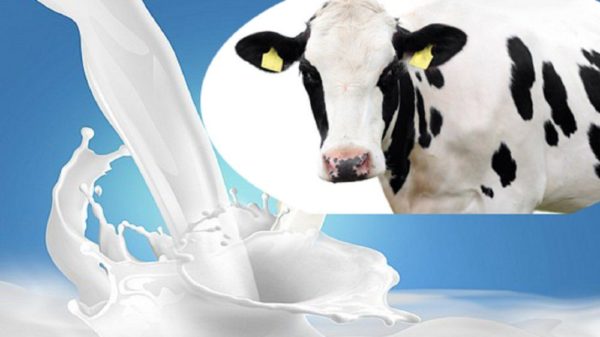
Cow’s milk is one of the most consumed beverages throughout the world. Its association with the promotion of good health such as preventing osteoporosis makes it a favourable beverage for many people. Cow’s milk is a white liquid produced by the mammary glands of cows to feed their offspring until they are ready for solid food.
Milk is rich in animal protein (casein), saturated fat, cholesterol, calcium, sodium and potassium and others. Milk is mainly eaten because of its calcium content which is believed to prevent osteoporosis (porous bone).
However recent research shows that dairy products have little or no benefit for bone health. Most studies fail to show any link between milk intake and broken bones, or fracture according to Harvard Public Health Professor Walter Willet.
Interestingly, ecological studies have also shown that bone fracture and osteoporosis is common among countries with higher milk consumption. Wait a minute, didn’t they teach us in primary school that milk makes our bones strong? Well this is an indication of how influential the food industries can be.
Harvard Professor Walter C. Willet and his team found that increased consumption of milk is associated with increased risk of osteoporosis in men but found no association in women. This findings has nullified believes that milk consumption makes our bones strong, which in reality, it makes our bones weak and more susceptible to bone fractures.
Milk is also one of the top source of saturated fat in our diet. Milk contains cholesterol. Diets high in saturated fat and cholesterol have been shown to increase risks of heart disease, type 2 diabetes and Alzhemer’s disease.
Regular consumption of milk has also been linked to prostate cancer. T. Colin Campbell, PhD and his research team established in China that the main protein in milk, casein promote the development of certain cancers such as prostate, breast and liver cancer.
A new study funded by the national Cancer Institute, National Institutes of Health and World Cancer Research Fund found that higher intake of cow’s milk is associated with increased risk of breast cancer. Professor Walter C. Willet and his team found in the Health Professionals Follow-Up Study, men who drank two or more glasses of milk a day were almost twice as likely to develop advanced or metastatic (spreading) prostate cancer as those who didn’t drink milk at all.
In conclusion, milk is not necessary in the diet and can even be harmful to health. Human beings are the only mammals who drinks another mammal’s milk, we are the only mammals to continue to drink milk after we are weaned from our mother’s milk.
The dairy industry has done an excellent job of marketing the notion that everyone needs to drink milk to keep bones healthy and strong. In fact, there are many nondairy sources of calcium, including fortified soy, rice, oat, almond. Green leafy vegetables, beans, nuts and seed are also good sources of calcium. Yes, we need calcium but we don’t need milk. Walter Willet of Harvard says “it seems quite clear that dairy is not essential.”
The art of healing comes from nature, not from the physician. Therefore, the physician must start from nature with open mind – Paracelsus
Many studies have shown how what we eat affect our health and longevity on this planet. What one’s take in has a profound effect on his or her health and also on the planet. However there are a lot of confusion surrounding what is regarded as optimal diet for humans. To know the real truth about Nutrition, Diet and Health subscribe to my blog and stay tune as we reveal the real truth behind health.
Let thy food be thy medicine and thy medicine be thy food – Hippocrates

 Health & Nutrition