What you put in your mouth has a profound effect on your health. What you eat today determines your health tomorrow. Below are three amazing ingredients you should include in your diet to prevent diseases.
Carbohydrate
Carbohydrate is a nutrient found almost exclusively in plants. It is a collection of simple to very complex chemical molecules. Not all carbs are created equal. Different types of carbs can vary in their health effects. Carbs are sometimes referred to as whole (complex) or refined (processed). Whole carbs are unprocessed and contain the fiber found naturally in the food, while refined carbs have been processed and had the natural fiber and other nutrients removed or changed.
What’s matters most is the type of carbohydrate you eat, some sources are healthier than others. Eating your sugars from fruits is very healthy because these sugars come with good amount of fiber, phytochemical, minerals, antioxidants and many other nutrients that are beneficial to your body.
However, consuming refined carbohydrates or consuming sugar sweetened beverages aren’t healthful since these foods provide your body with little or no nutrients, fiber, phytochemical and antioxidants. They lack these protective ingredients in foods making us prone to chronic diseases.
Most people think carbohydrates are not healthy, however this thinking is erroneous, and this does not tell the whole truth. People who claim that carbs are unhealthy, mainly get their source of carbs from refined foods. They consume French fries and white bread instead of a bowl of whole grains. They conclude that, because refined carbs are unhealthy then carbohydrates in general are unhealthy. They also think if carbs are bad, then anything else is good for you, such as lots of red meat, sausage, milk, bacon, butter and cheese. And that’s just not true.
Many scientific studies have shown that carbohydrates are one of the healthiest ingredients in food. Ecological studies have shown that people who have the longest lifespan on earth are all carbohydrate eaters. The Okinawan people consumes about 80% of their food from carbohydrate. What is noteworthy is that all these foods are whole and unprocessed.
Additionally, a National Health and Nutrition Examination Survey in 1999 – 2010 found that those who ate the least amount of carbs tended to die prematurely from any cause, including stroke, cancer, and coronary heart disease.
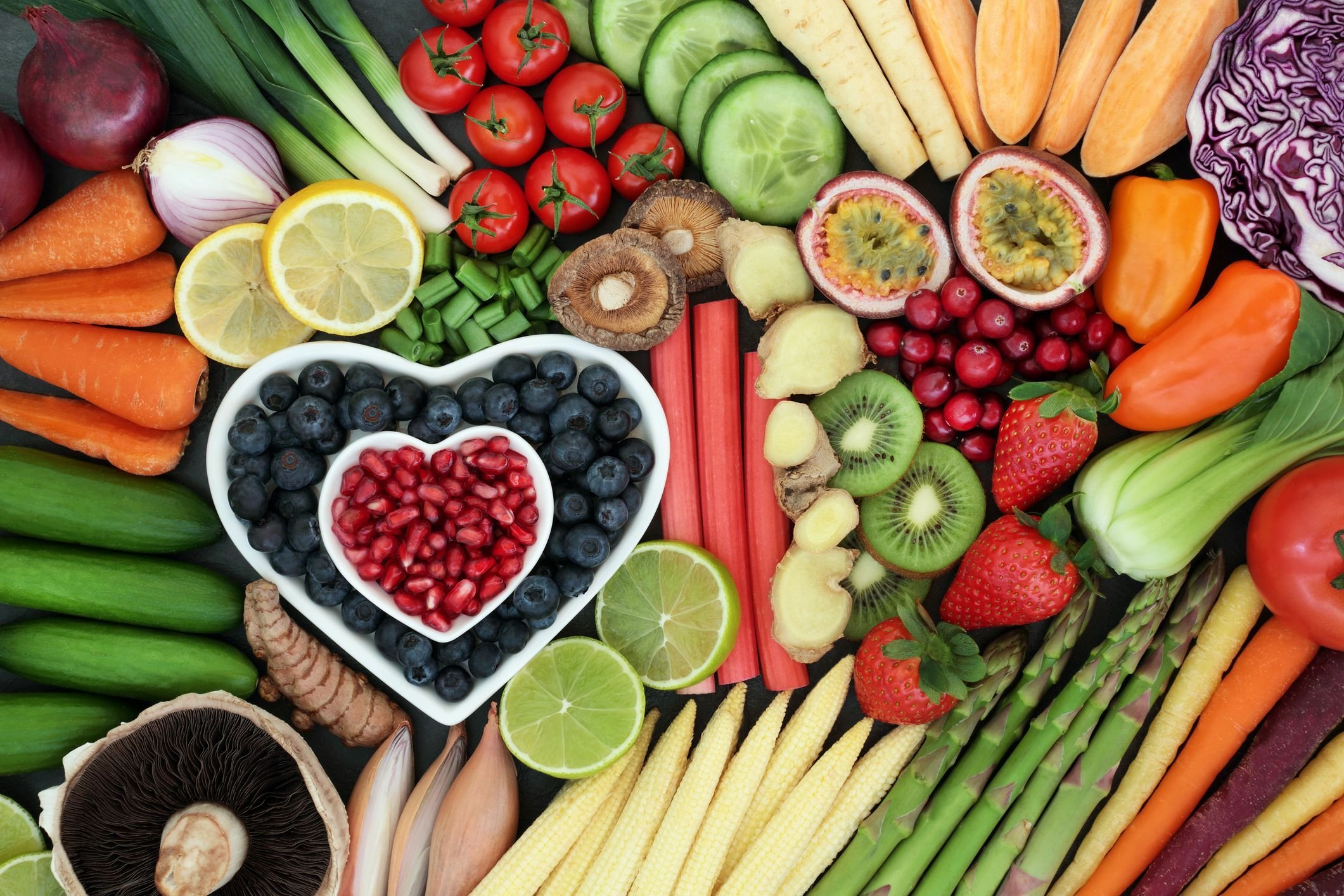
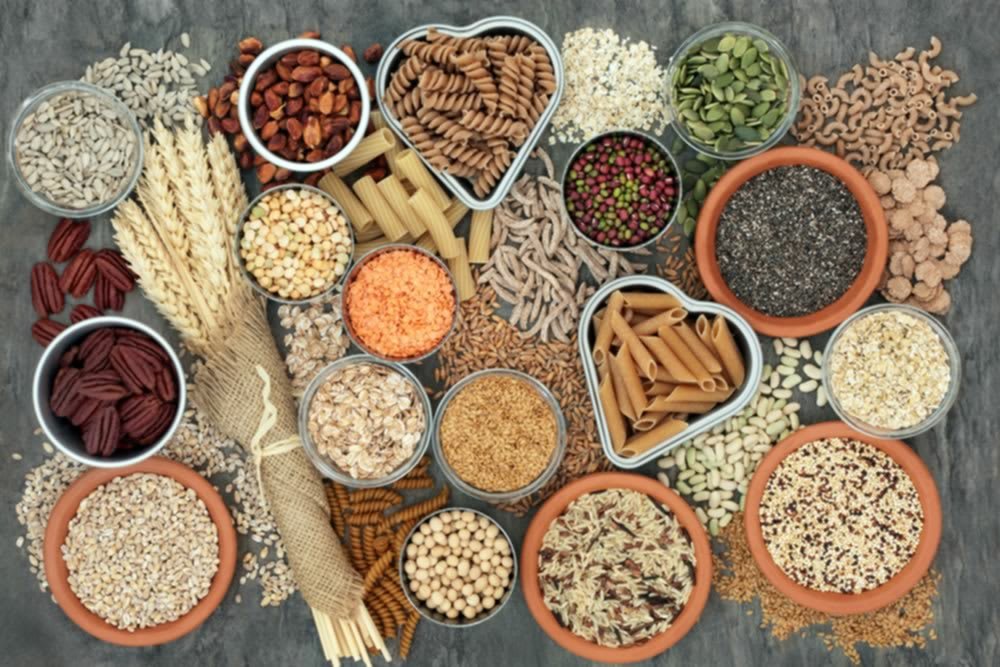
Good sources of carbs are whole fruits, vegetables, whole grains and cereals, legumes, Nut, seeds and tubers.
Protein
The second ingredient you must include in your diet is Protein. Protein is an essential macronutrient, it makes up the enzymes that power many chemical reactions and the hemoglobin that carries oxygen in your blood.
Not all source of protein are created equal, and you may not need as much as you think. The recommended daily allowance for protein is 0.8 grams of protein for every kilogram of body weight per day.
Analysis conducted at Harvard among 130,000 men and women followed for 32 years, found out that the percentage of calories from total protein intake was not related to overall mortality or to specific causes of death albeit, the source of protein was important.
Available evidence indicates that it’s the source of protein rather than the amount of protein that likely makes a difference for our health. No one eats nutrients, we eat food, when we eat foods that contain protein, we also eat everything that comes alongside it: the fat, fiber, sodium, and more. It’s this protein “package” that’s likely to make a difference for health.
Research conducted by the Harvard University found that eating even small amounts of red meat especially processed red meat on regular basis is linked to an increased risk of heart disease, stroke, diabetes and the risk of dying from cardiovascular disease.
Conversely, replacing animal protein with healthy plant protein sources such as beans, soy foods, nut and legumes reduce these risks. With the exception of food allergies, no one has been sick from eaten beans, soy foods or plant protein. Healthy sources of protein are legumes such beans of all kinds, nuts, soy foods, lentils, chickpeas and fish.
Fat
Fat is third macronutrient that is needed by the human body for optimal performance. It’s a major source of energy that helps you absorb some vitamins and minerals.
Once again the source and type of fat is more important than the amount of fat you eat.
Many studies have shown that getting your fat from whole plant food is very healthy. Whole foods such as avocado, flax seed, olive, chia seed, peanut, walnut and other are very rich in “good” fats (unsaturated and monounsaturated fatty acid) while source like diary, beef and meat are high in “bad” fat (saturated and trans fatty acid).
Vegetable oils are concentrated sources of fat and if your aim is to lose weight minimizing intake of vegetable oil is a wise thing one should do. This is because vegetable oil add plenty of calories with little nutrient. It is very easy to eat more calories when you include oils in your diet, making you exceed your daily caloric intake. Hence sabotaging your effort to lose weight.
The single most impactful thing you can do today is adopt a more plant based diet. – Louie Psihoyos
 Health & Nutrition
Wow so insightful, kudos
LikeLike
Thanks dear
LikeLike
Very insightful write-up.
Kudos✊✊
LikeLike
Thanks my Boss
LikeLike
Bravo
LikeLike
Thanks dear
LikeLike