Unless any of us have been living under a rock or under the sea, we all know the formidable price we are paying for the COVID-19 pandemic. It is well-known that people over 60 years of age with pre-existing disease conditions are most vulnerable to COVID- 19. And it is also known that most of these diseases are the result of poor nutrition. Mortality data emerging from Italy and New York City shows 99% and 95% of the people (mostly older) who have died from COVID- 19 in Italy and New York City, respectively, suffered from pre-existing medical condition, most arising from a lifetime of bad nutrition and lifestyle. This pandemic has reveal how important nutrition and lifestyle is. The importance and benefits of living a healthy life and eating a healthy food cannot be overemphasized.
According to WHO, a healthy diet helps to protect against malnutrition in all its forms, as well as noncommunicable diseases (NCDs) such as diabetes, heart disease, stroke and cancer.
Optimal diet is one that minimizes risk of disease, treats existing disease and meets all nutritional requirements.
There are a lot of confusion surrounding what is considered an optimal diet however modern medical science is quite clear about the dietary patterns that can, in the vast majority of cases, help prevent or even reverse many of the chronic ailments of our times.
National Geographic Fellow and explorer, Dan Buettner, in his study of what he term the “Blue Zones” identifies the five regions where people enjoy not only the longest life span but also the most abundant health spans. His studies focus on Sardinia in Italy, Loma Linda in California, Nicoya Peninsula in Costa Rica, Ikaria in Greece and the islands of Okinawa in Japan.
Dan describes asking a 102 –year –old Okinawan woman what it feels like to hold her great-great-great-granddaughter. She tells him that “it feels like leaping into heaven.”
Most of us fear growing old but in the Blue Zones, many people look forward to it.
In his studies, Dan found out that all the Blue zones consume a plant-rich and predominantly (though not often exclusively) vegetarian diet. Is this coincidental or there is something specific about eating a plant based diet (fruits, vegetables, legumes, seeds and nuts). Dan’s findings from all the Blue Zones, is summarized in Michael Pollan’s famous seven words: “Eat food. Not too much. Mostly plant.”
“Eat food” means eat real food, not the ultra-processed food-like substances that make up most of the calories in the modern diet in the industrialized world.
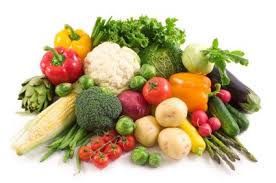
What about eating “mostly plants”? Scientists and nutritionist know that plants based foods and particular fresh vegetables and fruits, are the most concentrated sources of many of the nutrients that the human body needs in order to thrive. They contain the holy dietary trinity (fiber, phytochemical and anti-oxidants), enzymes, prebiotics and probiotics, essential fat, proteins, vitamins and minerals .
Eating a whole food plant based diet is recommended by many health organization such as the WHO, the Academy of Nutrition and Dietetics and Dietitian of Canada, the American Institute for Cancer Research and the Fund for World Cancer Research and other great health organizations.
It’s not low carbohydrate or low fat. An optimal diet is low in unhealthful carbohydrate (both sugar and other refined carbohydrates) and low in fat (especially saturated fats and trans fats) as well as in red meat and processed foods.
The eating plan that is recommended
I have way too much respect for biochemical individuality and for the diversity of life experiences and contexts, to try to tell anyone exactly what they should or shouldn’t eat. But there are some overarching principles that are beneficial for just about everyone. What you eat is important as what you exclude
- Eat fewer processed foods or try to avoid them. Our bodies weren’t designed for sugar, white flour, bottled oils, or chemicals
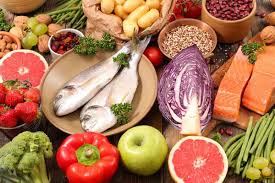
- Eat fewer or avoid animal products. Modern meat and dairy products – especially from factory farms are leading drivers of heart disease, cancer, diabetes, and obesity. However fish like salmon can be used sparingly or as a condiment.
- Eat more whole plant foods. Fruits, vegetables, whole grains, legumes, nut and seeds and other whole plant foods give you an abundance of the vitamins, minerals and phytonutrients your brain, lungs, heart, immune system and cells need to thrive.
- Fats and oil should be minimized and if used should be used sparingly for culinary purposes. Fat and oil is much denser in calories, so when you eat less fat, you consume fewer calories, without consuming less food.
In conclusion, it’s not what you do on occasion that matters most. In the long run, it’s the choices you make day in and day out, and the habits you forge and sustain, that chart the course of your destiny. Always remember: you’re unique (just like everyone else!)
Nothing will benefit human health and increase the chances for survival of life on Earth as the evolution to vegetarian diet.- Albert Einstein
 Health & Nutrition
Great…
LikeLike
Good job😍😍😍😍😍
LikeLike
Wonderful piece Enoch
LikeLike
Thanks dear
LikeLike
Great post 😁
LikeLike
Thanks dear
LikeLike
Very powerful, Sir. Loved it 👍
LikeLike
Thanks dear
LikeLike