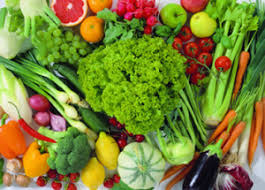
Phytochemical is a broad term meaning plant (phyto) chemical referring to a wide variety of compounds that occur naturally in plants.
Phytochemicals are non-nutritive plant chemicals that have protective or disease preventive properties. They are non-essential nutrients, meaning that they are not required by the human body for sustaining life but recent research demonstrate that they protect human against diseases. Phytochemicals are the second component of the “Holy dietary trinity”. They are found in plant foods only. No animal food contains phytochemical. They include lycopene in tomatoes, isoflavones in soy beans, flavonoids in fruits, carotenoids in carrot and polyphenols in grapes and many more.
Phytochemicals are found in fruits, vegetables, beans, grains, nuts, seeds and spices. Research has shown that they protect and prevent chronic diseases such as the great cancer, diabetes, Non-Alcoholic Fatty Liver Disease (NAFLD) and cardiovascular diseases. However there is no evidence that taking phytochemical supplements is as good for you as eating the whole fruit, vegetables, beans and grains that contain them. Most experts strongly believe that it’s the combination of these compounds and other foods you eat that keeps the body healthy. Loading up one or two phytochemical pills won’t be beneficial as eating a variety of plant foods.
There are literally thousands of different phytochemicals found scattered throughout the plant kingdom. Many plants contains over a hundred types of phytochemical. It is the phytochemical which gives plant its colour. The largest category of phytochemical is phenolic compounds which includes flavonoid in fruits, vegetables and soy beans, phenolic acids in whole grains, grapes and citrus and tannin found in lentils and legumes. Phenolic compounds have been found to have a powerful antioxidant, anticancer and anticardiovascular disease effects. A 2013 meta-analysis showed that breast cancer risk was significantly decreased in women with high intake of flavonols by 12 % and flavones by 17%.
Another large powerful group of phytochemicals is terpenes. They include carotenoids (lycopene, beta-carotene and lutein) found in carrot, tomatoes and leafy greens. Studies have shown that these phytochemicals have antioxidant, anticancer, reduce aging and macular degeneration of the eyes. There is increasing evidence from epidemiological studies that an increased intake of the macular pigment lutein and zeaxanthin is inversely associated with the risk for age related macular degeneration, a disease which affects the elderly and is a major cause of irreversible blindness in western countries. These findings have been consistent as the rising of the sun. Haven’t you heard the saying “eat your carrot to see in the dark”?
A third major category of phytochemicals is the sulfur-containing chemicals such as organosulfur compounds in garlic and the isothiocyanates, such as sulforaphane in cruciferous vegetables. These substances have been shown to have a powerful antioxidant, antioxidant and immune-enhancing ability. They protect our cells against oxidative damage and reduce the risk of developing certain types of cancer.
Primary actions of phytochemicals are:
- Anticancer activity by blocking tumor formation, reducing cell proliferation (multiplication of cells), reducing oxidative damage to tissues and to DNA, antibiotics properties, possibly reducing hormone related cancers.
- Anti-cardiovascular activity by lowering cholesterol levels, lowering blood pressure, increasing openness of blood vessel, reducing oxidative damage to blood vessels wall and reducing blood clot formation.
- Immune-enhancing activity by increasing of cells that protect the body from microorganisms causing disease.
- Antiestrogenic activity by reducing the production of more potent form of estrogen and increasing production of less potent form.
The doctor of the future will give no medication, but will interest his patients in the care of the human frame, diet and in the cause and prevent of disease. – Thomas A. Edison
Reference
http://www.phytochemical.info/
http://www.breastcancer.org/tips/nutrition/reduce_risk/foods/phytochemical
Dreher, M. L. (2018). Dietary patterns and whole plant foods in aging and disease. Springer International Publishing. p 299 – 320
 Health & Nutrition
Great job! We better organize a public forum for us. Don’t u think your content is too complex for the street person?
LikeLike
Thanks bro
I will work on that
LikeLike
Great one there!!
LikeLike
Thanks sweetie
LikeLike