The monthly menstrual cycle is often accompanied by a lot of symptoms like fatigue, bloating, mood swings and cramps. The symptoms are even worse for some, making the entire period a big struggle. You can use diet to ease some of the painful period symptoms. Believe it or not, the foods you eat can help reduce period cramps, help you feel less swollen and bloated and help with mood swings. Most women experience some menstrual pain, for up to 15%, it is severe enough to interfere with works and other activities for one or more days every month.
In the 1960s, it became evident that chemicals called prostaglandins are a central part of the problem. Prostaglandins are made from the traces of fat stored in cell membranes, and they promote inflammation. They also involved in muscle contractions, blood clotting, and pain.
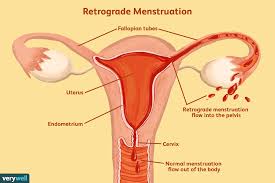
Before menstruation begins, the endometrial (mucous membrane that lines the uterus) cells make large amounts of prostaglandins. When these cells break down during menstruation, the prostaglandins are released. They constrict the blood vessels in the uterus and make its muscle layer contract, causing painful cramps. Some of the prostaglandins also enter the bloodstream, causing headache, nausea, vomiting, and diarrhea.
Researchers also found that the amount of prostaglandins produced by endometrial cells in women with menstrual pain is higher than other women. This explains why Nonsteroidal anti-inflammatory drugs (NSAIDs) work for menstrual pain, they reduce the production of prostaglandins. NSAIDs also decrease menstrual flow which may reduce menstrual pain
USING FOODS AGAINST
There may be a more basic approach. Instead of focusing on the prostaglandins themselves, it may help to focus on the cellular “factories” that make them. A change in diet may be able to reduce menstrual pain.
In every monthly menstrual cycle, the amount of estrogen in a woman’s body rises and falls. Estrogen are female sex hormones, a sort of hormonal fertilizer that makes the cells in the body grow. Estrogens are responsible for breast development at puberty, and each month they cause the lining of the uterus to thicken in anticipation of pregnancy.
Amount of estrogens in a woman’s bloodstream gradually rises as her period ends and a new cycle begins, for about two weeks, it rises toward a peak and then falls quickly around the time of ovulation. It rises again in the second half of the month and then falls just before her next period. The uterus sheds its lining in a menstrual flow, accompanied by crampy pain.
The amount of estrogen in your blood is constantly being readjusted. Some foods increases hormonal levels while others reduces them. Studies have shown that fat drives estrogen level up. Any kind of fat increases estrogen level: chicken fat, fish fat, beef fat, olive oil, canola oil – you name it. It doesn’t matter if it is animal fat or vegetable oil; the more of it there is in your diet, the more estrogen your body makes.
Researchers have shown that if you cut the amount of fat in your diet, the amount of estrogen will be noticeably reduced within the first month. Cancer researchers have taken a great interest in this phenomenon, because lowering the level of estrogen in your blood helps reduce the risk of breast cancer. If a woman eating a western diet – a diet high in animal product and vegetable oil cut her fat intake in half, her estrogen level will be about 20% lower. If the amount of fat is cut even more, the estrogen level will drop further, which is a good change because a lower hormone level will have less effect on the uterine cells hence reducing the crampy pains and other menstrual symptoms. In addition to lowering estrogen, a low-fat plant based diet may also be beneficial because high-fiber vegetables: beans, fruit, and whole grains help the body eliminate estrogens.
Reducing vegetable oil, fatty or fried foods and animal product intake and increasing consumption of whole food plant based diet reduces the crampy pains and other symptoms that accompany menstruation. Eating this way is always good for weight loss heart and other organs of the body.
All doctors forbid the sick to take oil except the smallest quantity if one is going to eat because oil is good for the outward parts of man’s body (for anointing the skin), but at the same time as bad as can be for the inward. – Protagoras (c. 485 – 415 BCE)
References
Kataoka M Togashi K, Kido A et al. Dysmenorrhea: evaluation of cine-mode-display MR imaging-initial experience. Radiology. 2005; 235:124-131
Durain D. Primary dysmenorrhea: assessment and management update. J Midwifery Women Health. 2004;49:520-528
 Health & Nutrition
Great write-up…. Food is powerful
LikeLike
Thanks man
Indeed food is very power
LikeLike
Good job😍😍😍😍!!
What do you mean by “whole food plant based diet😚?” Any example?
LikeLike
Whole food plant based diet is a diet made up of unprocessed or minimal processed plant foods with little or no added oil. Thus eating foods in their natural state. Example Avocado, green leafy vegetables
LikeLike
It’s all about eating foods that are of their natural state or minimally processed. Our local foods such as yam, kontomire, fruits ( eg. Orange, banana) as compared to fast foods and carbonated drinks( eg. Coca-Cola)…
LikeLike
Good work man
LikeLike
Appreciated!!!
How about the inorganic forms of the foods you mentioned? Because switching from processed food will only land you on another form of “processed (inorganic) natural foods”
LikeLike
We have inorganic unprocessed or minimally processed foods. Inorganic foods are foods that utilise synthetic substance such as fertilizer or pesticide in its production. So food can be inorganic and unprocessed. However organic foods are healthier than inorganic foods because organic foods contains little or no toxics
LikeLike
Good job. Keep it up, Bro
LikeLike
Thamks dear
LikeLike
Thanks dear
LikeLike
Got you!
I dont mean inorganic foods are by default processed food! I only wanted the side effect of inorganic food and so I only characterised them as “processed” since humans have manipulated it into premature finished goods!
Nice job..vry informative response!
LikeLike